
Listening Sessions
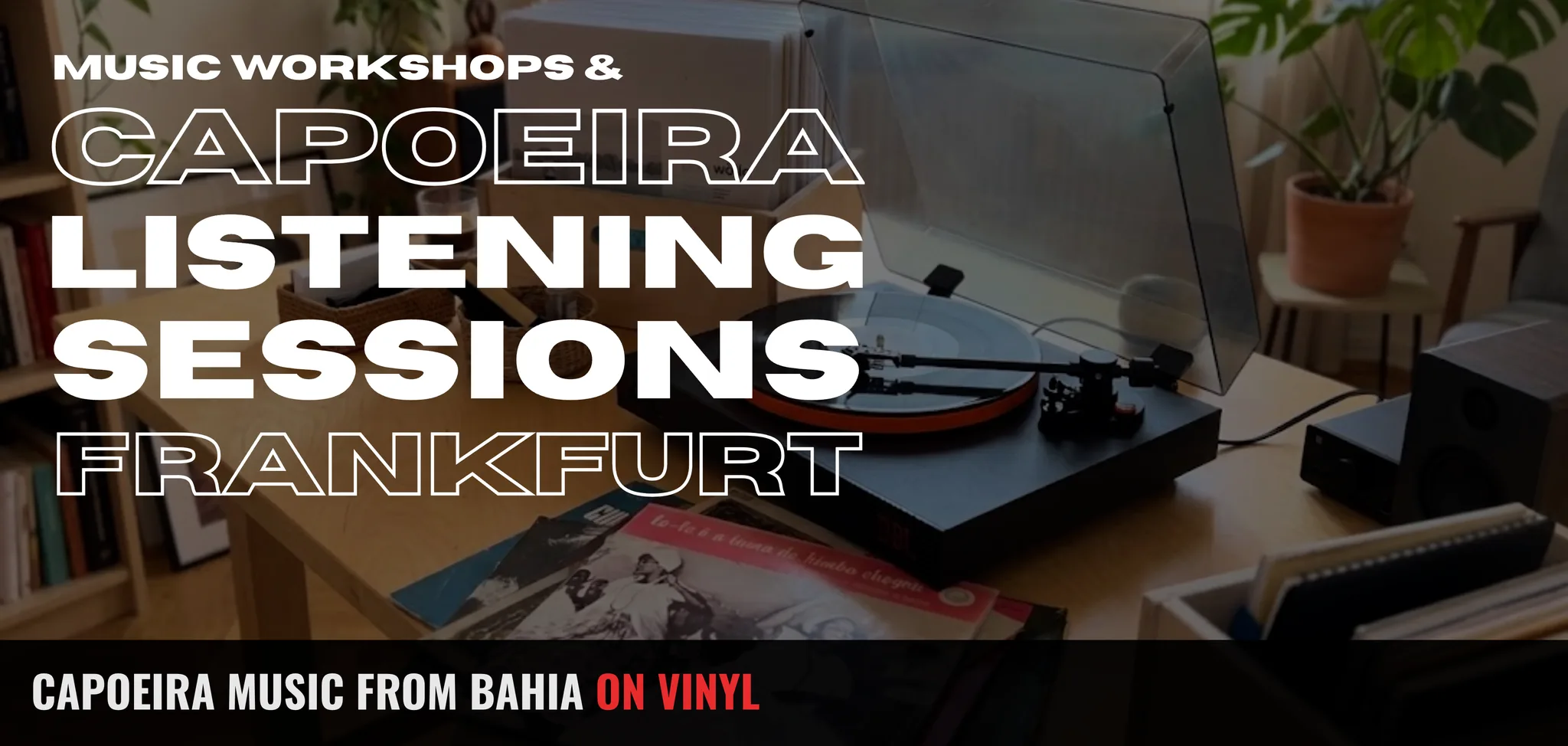
Capoeira Music from Bahia on Vinyl
Next date: Saturday, 14 November 2026 · Mestre Bimba
The approach
Once a month, we come together in a small group to listen to one or two historic capoeira records from Bahia. We listen with full attention and the intention to discover new details about capoeira music of the past. Then we pick up the instruments and replay what we heard. On some dates we also move to the music.
The focus is on recordings from Bahia from the 1940s to the 1990s: Mestre Bimba, Mestre Waldemar, Mestre Traíra, Camafeu de Oxóssi, Mestre Pastinha, Mestre Caiçara, Mestre Joel and Mestre Canjiquinha. It's not a given that these records survived the decades. They carry interesting secrets and, if you listen closely, they answer lots of questions that otherwise seem unanswerable.
This series will connect you directly to the material produced by those Mestres everyone sings about.
I don't bring ready-made answers, but lots of material (vinyl records, books, historical documents). Analysing the material and digging for secrets will be a collaborative exercise. If you go home with more questions than you arrived with, it was a good workshop.
Inside a session
Listening
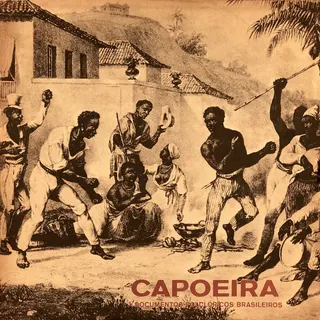
We put the record on and listen, calmly and with full attention, without saying much at first. Then we go into single passages, for example what the bateria is playing or who is singing. The records go round the table while they play, so you can read the sleeve and leaf through the booklet. Often there are books and old drawings from the period on the table too.
Playing back
Then we pick up the instruments and play the toques back. We set up the bateria the way it sounds on the record. Ladainhas, quadras and corridos we sing in the style of the mestres. How much you play along is up to you. Nobody has to perform.
Moving
Music and movement
Only some sessions have this third part. In those we listen to the music a third time and move to it in simple patterns: ginga and very simple sequences standing and on the floor. Notice whether you now feel a different connection to the music than at the start of the workshop.
How long a session takes varies. The time is listed with each date. We plan it as well as we can but take the time it needs. Not every session has a movement part. In the series below, the ones that do are marked "Music and movement" and the others "Music only". Sessions with movement take place at Afroton in the Gallus district.
What you take home
- An ear for the toques on the old recordings and for how each mestre played them.
- Where many of the ladainhas and corridos in today's roda come from and how they were sung back then.
- How the bateria was set up at the time. Comparing it with your own group comes naturally.
- The people behind the records: who learned from whom and who contributed to the production.
- Maybe a different feel for the music once you have played it yourself and moved to it.
- The booklet with translated lyrics and sources, digital or as a printed collection.
Taking part
€20 incl. booklet
Every session comes with the booklet of translated lyrics and sources. You scan it on site with a QR code and have it with you digitally. The printed booklet is a small run for the first 20 participants who want to collect it. Their booklet grows with every session. That keeps costs and paper waste down.
Printed booklets: 19 of 20 left
Whatever is left after costs goes to the Casa Mestre Ananias in São Paulo. If you'd like to give more, feel free to round up.
The series
These records and mestres are on the plan. Each session stands on its own, so you can join partway through the series.
Mestre Bimba
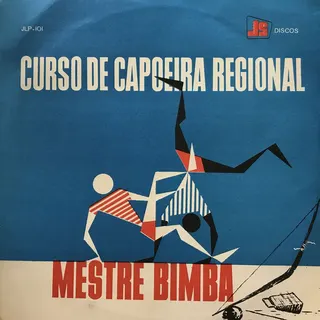
- Curso de Capoeira Regional 1962
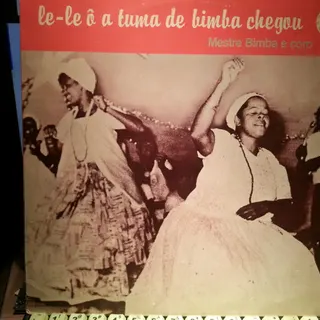
- A turma de Bimba chegou 1991
Register →1 of 10 left
More details
You'll get the exact address after registering.
Material
- "Curso de Capoeira Regional" (1962)
- "A turma de Bimba chegou"
- sound recordings from the 1940s
- Mestre Decânio: "A Herança de Mestre Bimba" (1997)
- drawings by Carybé
- excerpts from books and articles
- photos
What we practise
- Charanga
- toque Idalina
- listening exercise: "Sonho de Salomão" (1941) next to São Bento Grande (1962)
- quadras: "Menino, quem foi seu mestre" (São Salomão) and "Ao pé de mim tem um vizinho" (Riachão)
- corridos
Manoel dos Reis Machado, known as Mestre Bimba, developed capoeira regional from the 1930s onwards. He systematised teaching with fixed sequences and a curriculum. In 1937 that led to the first officially recognised capoeira school. His 1962 record is one of the very first commercial capoeira recordings.
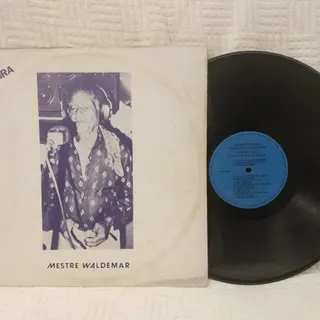
Mestre Waldemar & Mestre Traíra
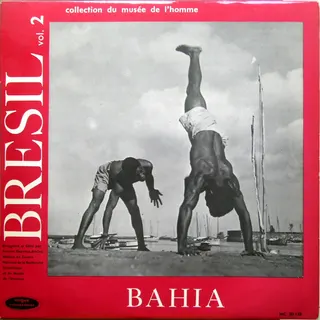
- Brésil Bahia (Dreyfus-Roche) 1955
- Capoeira da Bahia 1963
Afterwards there is an open roda, also for people who are not taking part in the workshop.
Register →13 of 20 left
More details
Hosted by Afroton
You'll get the exact address after registering.
Material
- field recording "Brésil Bahia" by Simone Dreyfus-Roche (1955)
- LP "Capoeira da Bahia" by Mestre Traíra (1963)
- cordel literature
- drawings by Carybé
- old photos and films
What we practise
- singing the ladainha "Riachão tava cantando"
- singing the ladainha "Torpedeiro encouraçado"
- setting up the bateria the way it sounds on the recordings
- a simple physical session to the music
Mestre Waldemar (1916 to 1990) ran a barracão in Salvador where a roda took place every Sunday, open to all capoeiristas whatever their style. It became one of the most important meeting points of Bahian capoeira. The 1963 LP by Mestre Traíra is still one of the central recordings of capoeira angola.
Camafeu de Oxóssi
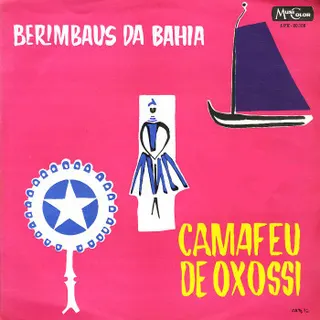
- Berimbaus da Bahia 1967
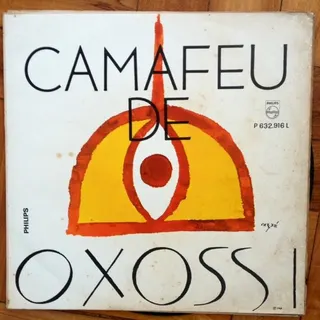
- Camafeu de Oxóssi 1968
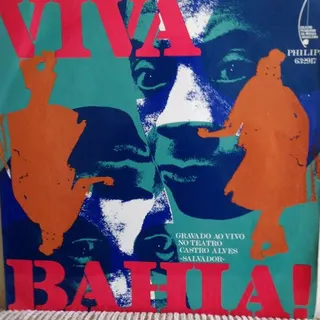
- Viva Bahia! 1968
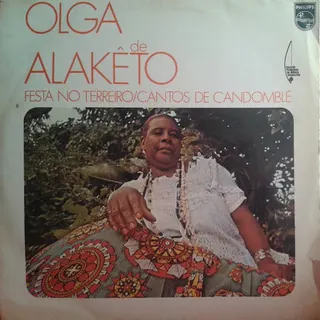
- Festa no Terreiro (Olga de Alaketo) 1970
Registration to follow
More details
Material
- LP "Berimbaus da Bahia" by Camafeu de Oxóssi (1967)
- LP "Camafeu de Oxóssi" (Philips, 1968)
- LP "Viva Bahia!" by Emília Biancardi's group Viva Bahia (Philips, 1968)
- LP "Festa no Terreiro / Cantos de Candomblé" by Olga de Alaketo (Philips, 1970)
- the back-cover texts by Jorge Amado and Dorival Caymmi
- the covers by Carybé
- documents from the Festival of Black Arts in Dakar (1966)
What we practise
- Maculelê
- Puxada de Rede
- Bravun
This time we listen to details from four records that are not capoeira records.
Camafeu de Oxóssi (Ápio Patrocínio da Conceição, 1915 to 1994) was a berimbau player and a trader at the Mercado Modelo in Salvador. At the Ilê Axé Opô Afonjá he held the title of Obá de Xangô. Later he was president of the Filhos de Gandhy. In 1966 he travelled with Mestre Pastinha to the Festival of Black Arts in Dakar. The text on the back of his first record was written by Jorge Amado.
Olga de Alaketo (Olga Francisca Régis, 1925 to 2005) was the ialorixá of the Terreiro do Alaketu in Salvador. She too was in Dakar in 1966. With Mestre Bimba she recorded an LP: candomblé songs on her side, sambas de roda on his.
Bring drums and berimbaus if you have them. This time we need more.
Mestre Pastinha
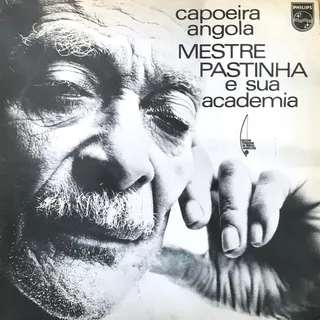
- Capoeira Angola 1969
Afterwards there is an open roda, also for people who are not taking part in the workshop.
Registration to follow
More details
Material
- LP "Capoeira Angola" by Mestre Pastinha (1969)
- Helinä Rautavaara's interview with Mestre Pastinha (1964)
- book "Capoeira Angola" by Mestre Pastinha (1964)
What we practise
- ladainhas, ginga and angola in the tradition of Mestre João Pequeno de Pastinha
- guest: Treinel Thiago
Mestre Caiçara
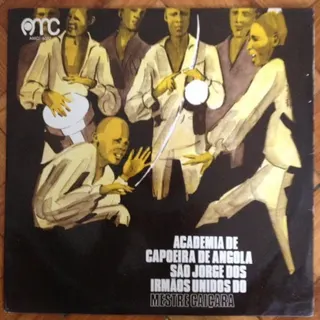
- Academia de Capoeira de Angola São Jorge dos Irmãos Unidos 1969
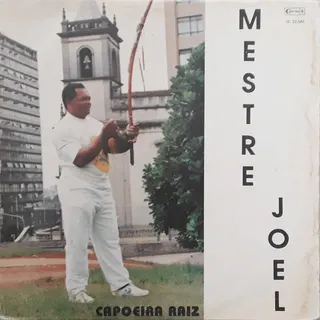
Mestre Joel
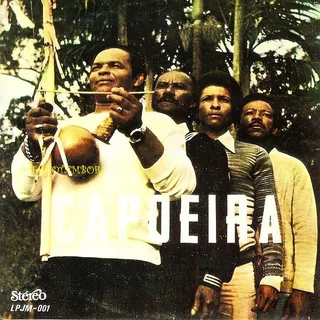
- Capoeira 1979
- Capoeira Raiz 1993
Mestre Waldemar & Mestre Canjiquinha
- Capoeira Volume 1 1986
Instruments are provided. If you have your own, feel free to bring them. For some sessions I'll let you know in advance what we especially need.
Where the money goes
Donation target
€140 of €1,000
Updated after every session.
Part of the income covers the costs of the series, mainly the room and the booklet. The records have also cost a fair amount over the years. The rest goes to the Casa Mestre Ananias in São Paulo, led today by Mestre Minhoca. Mestre Ananias learned this music in Bahia from Mestre Waldemar and the mestres around him. Later he brought it to São Paulo. There his work shaped capoeira far beyond Brazil. On Mestre Joel's record, which we will listen to later in the series, he sings and drums himself. That way some of what we listen to in Frankfurt goes back to São Paulo.
mestreananias.blogspot.com@mestreananias
FAQ
I train with a different capoeira group. Can I join?
Yes. The sessions are for everyone who loves capoeira music, whatever group you come from.
I can't play the berimbau well yet. Can I still come?
Yes. Nobody has to perform. We go through everything together. How much you play along is up to you.
Where do the sessions take place?
It depends on the session. The listening-only ones are in Frankfurt's Bahnhofsviertel. Sessions with a physical part happen at Afroton in the Gallusviertel. Each date says where it is. You get the exact address after registering.
What if a session is fully booked?
The registration form puts you on the waiting list. If a spot opens up, I'll get in touch.
Do I get a printed booklet?
The first 20 participants who want to collect the booklet get it printed. You can say so in the registration form. Everyone else gets it digitally via QR code on site, with the same content.
I have a printed booklet. How do I get the new pages?
Every session comes with its new pages. If you missed a session and are curious, just get in touch.
What language are the sessions in?
German or English, depending on the participants.
Is there a minimum age?
The sessions are for adults. We work with a lot of complicated texts, some of them in Portuguese.
Kindly supported by


Kindly supporting
New dates are announced on Instagram: @capopoeira